Nasturtium Seeds,
Whirlybird Gold

SKU: #FL534Min. seed count: 25
Price
Regular price $3.50
Regular price $0.00 Sale price $3.50
Save $-3.50
/
FREE SHIPPING IN THE U.S.A.
Faster shipping options also available.

Description

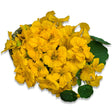
(Tropaeolum majus nanum). A burst of sunshine in the garden and on the plate! Compact plants are smothered in golden yellow, semi-double, upward-facing blooms. Stocky, 12-inch-tall plants are excellent for containers, bedding, and borders. Nasturtiums are beloved by beneficial insects like hoverflies, which are known to eat aphids! Blooms and leaves are edible, with a spicy zing that makes salads so much more fun.

Growing Tips: Water moderately and allow to dry out from time to time. Avoid overly-rich soil as this will encourage foliage over flowers. Regular deadheading will encourage more blooms.

Plant Details

Botanical Name
Tropaeolum majus nanum
Life Cycle
Annual
Sun Requirement
Full sun
Days to Germinate
7–14
Days to Maturity
35–55
Planting Depth
½–1 in.
Plant Spacing
8–12 in.
Ideal Temperature
60–80°F
Frost Hardy
No

When to Grow

Start seeds indoors 4 weeks before your last frost date or direct sow outdoors after the last frost has passed. Check your local area's frost dates and plan accordingly. The ideal germination temperature is 55-65 F, so ensure soil temperatures fall within this range for successful germination. In warmer climates, nasturtiums can also be sown in the fall for winter blooms. If you're unsure of your last frost date, consult our blog post 'Our Experts Answer Questions, Share Resources'.

How to Sow and Plant

Soak nasturtium seeds overnight in warm water to soften the seed coat and improve germination rates. Plant seeds 1/2-1 inch deep in well-draining soil. Space plants 8-12 inches apart to give them enough room for growth and airflow. Nasturtiums grow best in full sun but can tolerate some light shade. While they prefer dry, low-fertility soil, ensure it is well-draining to prevent root rot. Seeds typically germinate within 7-14 days when sown at the proper soil temperature.

How to Grow

Water sparingly once plants are established, as nasturtiums are fairly drought-tolerant. Avoid overwatering to prevent root rot and excessive foliage growth. Deadhead flowers to encourage continuous blooming. These plants are also great companion plants, as they attract pollinators such as bees and butterflies while helping repel some pests. If aphids appear, simply spray plants with water or apply insecticidal soap to manage them.

How to Save Seeds

  • Nasturtiums will often reseed, but to save seeds, allow the flowers to mature and let the petals fall to the ground.
  • Collect the seeds from the plant before they fall.
  • When the seeds are dry, label and store them in a cool, dark, dry place over the winter.

FAQ

Are Whirlybird Gold nasturtiums edible?

Yes, both the flowers and leaves are edible, with a peppery flavor. They are great for garnishes, salads, and herbal teas.

Do Whirlybird Gold nasturtiums need fertilizer?

No, nasturtiums thrive in low-fertility soil. Fertilizing can lead to more foliage but fewer flowers.

Will Whirlybird Gold nasturtiums do well in containers?

Yes, their compact size and quick growth allow them to do very well in containers, raised beds, and even as houseplants!

Browse our full range of nasturtium seeds.
Customer reviews

No reviews yet — be the first to share how it grew for you.

You may also like