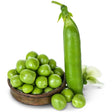
Pea Seeds,
Lillian's Caseload Garden
Faster shipping options also available.
Description
(Pisum sativum). One of the best-tasting peas we have ever tried. This superior variety was saved by a Mennonite farmer named Lillian. It is not an old, storied heirloom of antiquity, but rather a discontinued commercial variety that this family did not want to see disappear. Lillian explained that she grew Caseload peas from Johnny's Seeds and loved the variety. When the company discontinued the Caseload pea, Lillian tracked down some seeds to save. After almost two decades of seed saving, the variety has developed unique characteristics making it different from the original Caseload pea. Vines reach 2 to 3 feet in length with peas about 2.5 to 3 inches long, containing 5 to 7 large, sweet peas.
Growing Tips: To ensure optimal growth, plant Lilian's Caseload peas in well-drained, fertile soil with plenty of organic matter. They thrive in cool weather, making early spring and fall the best times to plant. Ensure the plants receive full sun to partial shade, 6-12 hours of sunlight daily, for best results.
Plant Details
- Botanical Name
- Pisum sativum
- Life Cycle
- Annual
- Growth Habit
- Vining
- Sun Requirement
- 6–12 hr.
- Days to Germinate
- 10–30
- Days to Maturity
- 55–65
- Planting Depth
- 1 in.
- Plant Spacing
- 4 in.
- Ideal Temperature
- 45–80°F
- Frost Hardy
- Yes
When to Grow
How to Sow and Plant
How to Grow
How to Save Seeds
FAQ
What type of support do Lillian's Caseload peas need?
They can grow up to 3 feet tall and benefit from support such as trellises or stakes. This helps keep the plants upright, prevents them from sprawling, and makes harvesting easier.
Can I grow Lillian's Caseload peas in containers?
Yes, Lillian's Caseload peas can be grown in containers. Choose a container that is at least 12 inches deep with good drainage. Provide a small trellis or support sticks to keep the plants upright and productive.
How do I fertilize Lillian's Caseload peas?
Before planting, enrich the soil with compost or well-rotted manure. During the growing season, side-dress with a balanced fertilizer high in phosphorus and potassium to promote healthy growth and pod production. Avoid excessive nitrogen, as it can lead to lush foliage but fewer peas.
Browse our full range of pea seeds.