Hot Pepper Seeds,
Big Jim

415 ReviewsSKU: #HPP113
Price
Regular price $3.25
Regular price $0.00 Sale price $3.25
Save $-3.25
/

Min. 25 seeds

FREE U.S. SHIPPING, 2-YEAR GUARANTEE


Description

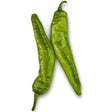
(Capsicum annuum) Big Jim smashes world records for largest chili pepper variety, with mammoth pods that can reach a whopping 1 foot in length. The perfect pepper for chiles rellenos, grilling, or stuffing, Big Jim delivers a perfect medium heat, a bit milder than an average jalapeño. A hardy and vigorous introduction from the Chile Pepper Institute at New Mexico State University.

Growing Tips: The Big Jim pepper, a large, mild- to medium-heat heirloom chili, thrives in warm conditions and full sun. You can use a heat mat to help warm up the soil and speed up germination. These peppers prefer nutrient-rich, well-draining soil.

Plant Details

Botanical Name
Capsicum annuum
Life Cycle
Annual
Sun Requirement
8–12 hr.
Days to Germinate
7–10
Days to Maturity
70–90
Planting Depth
¼ in.
Plant Spacing
14–18 in.
Ideal Temperature
70–95°F
Frost Hardy
No

Growing Guide

When to Grow

Start Big Jim pepper seeds indoors in early spring, around 8-12 weeks before the last expected frost. Transplant seedlings outdoors only after all frost risks have passed and nighttime temperatures stay reliably above 55 F, with the soil at least 65 F. In regions with shorter growing seasons, early indoor starting ensures a full harvest season. If you’re not sure how to find your first and last frost dates, consult our blog post 'Our Experts Answer Questions, Share Resources.'

How to Sow and Plant

Sow seeds 1/4 inch deep in a well-draining seed-starting mix, keeping the soil consistently moist but not waterlogged. Once seedlings reach 4–6 inches tall and have multiple true leaves, harden them off by gradually exposing them to outdoor conditions. Space mature plants 14-18 inches apart in soil amended with compost, as they can grow quite tall and need room for their large, dense foliage.

How to Grow

Big Jim peppers require consistent watering, though they tolerate short dry spells well. Deep, infrequent watering encourages a strong root system, and mulching helps retain soil moisture. Use a balanced fertilizer during early growth and switch to a high-phosphorus formula once flowers appear to support fruit production. Staking may help as plants become heavy with fruit.

How to Save Seeds

  • Peppers are mainly self-pollinating, but bees occasionally work pepper flowers as well.
  • To be absolutely sure that you will not have any crossing, different varieties should be isolated by at least 500 feet.
  • To save seed, allow the fruit to mature fully; then simply remove seeds.
  • It is a good idea to wear gloves when working with very hot peppers, and to consider wearing a mask when working with a large quantity of dried seeds.
  • Let seeds dry for a week before storing them in a jar.
  • Pepper seeds will remain viable for up to 5 years.

FAQ

How hot are Big Jim peppers?

Big Jim peppers are mildly spicy, averaging 2,500–3,000 Scoville Heat Units, similar to a mild jalapeño.

Can I grow Big Jim peppers in containers?

Yes, they do well in large containers, 5 gallons or larger, with adequate drainage.

How do I best use Big Jim peppers?

Their thick walls make them ideal for stuffing and grilling; they're also excellent in salsas or roasted as a side.

Browse our full range of pepper seeds.
Customer reviews

4 / 5 15 Reviews

What gardeners are saying

  • Big, meaty pods: Peppers run 8 to 12 inches, sized for rellenos and stuffing.

  • Green chile flavor: Hatch-style taste; most roast them, as the skin can be tough.

  • Heavy producer: Vigorous plants set crop after crop in warm summers.

  • Wants heat: Likes hot, dry weather; may not ripen red in cool regions.

  • Heads up: Milder than the name suggests; medium heat, little when green.

More to grow!
See all Pepper Seeds