Hot Pepper Seeds,
Buena Mulata

4.6129 ReviewsSKU: #HPP500Min. seed count: 25
Price
Regular price $4.00
Regular price $0.00 Sale price $4.00
Save $-4
/
FREE SHIPPING IN THE U.S.A.
Faster shipping options also available.

Description

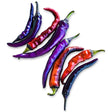
(Capsicum annuum) A very rare, extremely productive, and stunning hot pepper being offered exclusively through Baker Creek! William Woys Weaver introduced us to this pepper from his grandfather's collection. His grandfather received the pepper from African-American painter Horace Pippin in 1944. Chameleon-like, it undergoes color changes during ripening, from violet to pink, then orange to brown, and eventually to a deep red. The long, round pods reach 6 to 7 inches long and undergo a unique flavor change as they ripen, with the reds being more sweet and meatier than the violet. The stunning plants also make wonderful potted specimens.

Growing Tips: Buena Mulata is an heirloom pepper that grows best in rich, well-draining soil. It prefers full sun; however, it can benefit from some afternoon shade during intense summer heat. Starting seeds can take patience, so using a heat mat set to 80 degrees F can help speed up germination. Adding a support stake can also help manage the weight of this productive plant as it begins to bear peppers.

Plant Details

Botanical Name
Capsicum annuum
Life Cycle
Annual
Sun Requirement
8–12 hr.
Days to Germinate
7–10
Days to Maturity
75–85
Planting Depth
¼ in.
Plant Spacing
14–18 in.
Ideal Temperature
70–95°F
Frost Hardy
No

When to Grow

Start Buena Mulata seeds indoors 8–12 weeks before the last frost to give them a head start. These peppers are best transplanted outdoors only when the risk of frost has passed and temperatures are consistently above 65 F. They perform well in regions with long, warm summers but can also be grown in shorter seasons if started early​. If you’re not sure how to find your first and last frost dates, consult our blog post 'Our Experts Answer Questions, Share Resources.'

How to Sow and Plant

To sow Buena Mulata seeds, plant them 1/4 inch deep in a well-draining seed-starting mix. Maintaining a warm soil temperature of 80-85 F will speed up germination, which usually takes 7-10 days. After the last frost, transplant the seedlings to a sunny location, spacing them 14-18 inches apart.

How to Grow

Buena Mulata peppers require consistent watering, though they tolerate short dry spells well. Deep, infrequent watering encourages a strong root system, and mulching helps retain soil moisture. Use a balanced fertilizer during early growth and switch to a high-phosphorus formula once flowers appear to support fruit production. Staking may help as plants become heavy with fruit.

How to Save Seeds

  • Peppers are mainly self-pollinating, but bees occasionally work pepper flowers as well.
  • To be absolutely sure that you will not have any crossing, different varieties should be isolated by at least 500 feet.
  • To save seed, allow the fruit to mature fully; then simply remove seeds.
  • It is a good idea to wear gloves when working with very hot peppers, and to consider wearing a mask when working with a large quantity of dried seeds.
  • Let seeds dry for a week before storing them in a jar.
  • Pepper seeds will remain viable for up to 5 years.

FAQ

Can Buena Mulata peppers be grown indoors?

Yes, they adapt well to container growing and can thrive indoors if given ample sunlight and warmth. A south-facing window or grow lights can provide adequate light.

How Do I best use Buena Mulata peppers?

Their sweet, mildly smoky flavor makes them ideal for pickling, drying, or slicing thin into salsas, with the red stage sweeter and meatier than the violet. Their bright color also looks visually appealing in dishes, especially when used at various stages of ripeness.

How spicy are Buena Mulata peppers?

With a Scoville rating of 30,000-50,000 Scoville Heat Units, they are genuinely hot, on par with cayenne, so slice them thin or use them pickled or dried rather than eating them fresh by the piece.

Browse our full range of pepper seeds.
Customer reviews

4.6 / 5 129 Reviews

What gardeners are saying

  • Striking purple pods: Fruits start deep violet and ripen through orange to red.

  • Complex cayenne heat: Milder when purple, fiery when red; good in hot sauce and powder.

  • Loaded plants: Healthy plants set hundreds of pods, even in cool northern gardens.

  • Early to fruit: Often the first pepper to flower and produce in the garden.

  • Heads up: Slow to take off for some; stake the thin stems or group plants.

You may also like