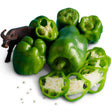
Sweet Pepper Seeds,
Bull Nose
Faster shipping options also available.
Description
(Capsicum annuum). The original Bull Nose pepper was popular in early America and was grown by Thomas Jefferson. It is still grown at Monticello today. This is one of the first medium-large bell- type peppers, although this strain may be larger than the strain grown by Mr. Jefferson and more likely dates back to the Bull Nose of the mid-to-late 1800s. Delicious good-sized fruit is great in salads or for cooking.
Growing Tips: Bull Nose peppers grow best in full sun and fertile, well-drained soil. Mulch to retain moisture and control weeds. Regular watering and monthly applications of organic fertilizer promote robust plants and prolific fruiting. Stake or cage plants if fruit becomes heavy. Harvesting regularly encourages continued production throughout the season. Peppers often appreciate a bit of afternoon shade during the hottest summer weather.
Plant Details
- Botanical Name
- Capsicum annuum
- Life Cycle
- Perennial in frost free zones; grown as an annual elsewhere.
- Sun Requirement
- Full sun
- Days to Germinate
- 7–14
- Days to Maturity
- 70–85
- Planting Depth
- ¼ in.
- Plant Spacing
- 18–24 in.
- Ideal Temperature
- 70–85°F
- Frost Hardy
- No
When to Grow
How to Sow and Plant
How to Grow
How to Save Seeds
FAQ
Are Bull Nose peppers hot or sweet?
Bull Nose peppers are entirely sweet with no heat, making them ideal for raw snacking, roasting, and cooking. Their thick walls and juicy flesh are similar to modern bell peppers.
Can I grow Bull Nose peppers in containers?
Yes, Bull Nose performs well in containers at least 5 gallons in size. Use quality potting mix, place in full sun, and water regularly for best results.
Why are my Bull Nose peppers staying green?
Bull Nose peppers start green and ripen to a deep red. If fruits remain green for too long, they may need more time on the plant, sunlight or warmer temperatures to complete ripening.
Browse our full range of sweet pepper seeds.