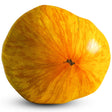
A single Pork Chop Tomato on a white background.

Tomato Seeds,
Pork Chop

3.419 ReviewsSKU: #TX106
Price
Regular price $3.00
Regular price $0.00 Sale price $3.00
Save $-3
/

Min. 15 seeds

FREE U.S. SHIPPING, 2-YEAR GUARANTEE


Description

(Solanum lycopersicum). While most “yellow” tomatoes are actually orange, this is a true yellow with vibrant golden stripes. The medium sized, slightly flattened beefsteaks have sweet tomato flavor with hints of citrus. Wild Boar farmer Brad Gates says it is the “best yellow I have ever had.” This is a premium tomato by all accounts.

Growing Tips: Pork Chop tomatoes grow best in full sun, and need at least 6-8 hours of direct sunlight daily. They prefer well-draining, nutrient-rich soil with a pH of 6.0 to 6.8. Water regularly to keep the soil evenly moist but avoid overwatering to prevent root rot. Supporting the plants with stakes, cages, or trellises is recommended due to their height and the weight of the fruits.

Plant Details

Botanical Name
Solanum lycopersicum
Life Cycle
Annual
Growth Habit
Indeterminate
Sun Requirement
6–8 hr.
Days to Germinate
7–14
Days to Maturity
75–85
Planting Depth
⅛ in.
Plant Spacing
24 in.
Ideal Temperature
75–95°F
Frost Hardy
No

Growing Guide

When to Grow

Start seeds indoors 6-10 weeks before the last expected frost date in your area. Transplant seedlings outdoors after the danger of frost has passed and temperatures are consistently above 60 F. In regions with shorter growing seasons, using row covers or cold frames can help protect young plants and extend the growing period. If you’re not sure how to find your first and last frost dates, consult our blog post 'Our Experts Answer Questions, Share Resources.'

How to Sow and Plant

Sow seeds about 1/8 inch deep in seed-starting mix, keeping the soil temperature between 70-80 F for optimal germination. When transplanting, gradually expose the plants to outdoor conditions and space them 24 inches apart. Plant seedlings deeply, burying two-thirds of the plant, including the lower leaves, for strong root development.

How to Grow

Apply a balanced fertilizer at planting time and side-dress plants with compost or fertilizer every few weeks during the growing season. Prune by removing "suckers" (the small shoots that grow between the main stem and branches) to direct the plant's energy toward fruit production. Mulch around the base of the plants with organic material to retain moisture, regulate soil temperature, and suppress weeds.

How to Save Seeds

  • Most tomatoes are self-pollinating and don't frequently cross; in a garden setting, separating by 25 feet should prevent 99% of cross-pollination. Or you can bag and hand pollinate for 100% purity.
  • On a small scale, seeds may be scooped from the fruits and dried on a paper towel.
  • For larger quantities or cleaner seeds, fermentation for a few days is recommended.
  • Once dry, tomato seed can be stored in a cool, dry, dark place; good seed retains viability for 5 years or more.

FAQ

When should I harvest Pork Chop tomatoes?

Harvest when the tomatoes are deep yellow in color, and the green stripes have turned gold. The fruits should have a slight give when gently squeezed, indicating ripeness.

How can I manage pests and diseases for Pork Chop tomatoes?

Common pests include aphids, hornworms, and whiteflies, while diseases like blight and leaf spot can also affect the plants. Implementing crop rotation, using insecticidal soaps, and applying appropriate fungicides can help manage these issues.

Can I grow Pork Chop tomatoes in containers?

Yes, they can be grown in large containers with proper care such as adequate support and regular watering. Choose a container that is at least 5 gallons in size to accommodate the plant's root system.>

Browse our full range of heirloom tomato seeds.
Customer reviews

3.4 / 5 19 Reviews

What gardeners are saying

  • Striking yellow fruit: Gold-striped tomatoes ripen to a bright yellow.

  • Mild, sweet flavor: Low acid and sweet; adds color to salads.

  • Big, vigorous plants: Tall plants that outgrow a cage.

  • Stands up to rain: Split less than other varieties after heavy rain.

  • Heads up: Flavor and yield vary; some get bland fruit and few of them.

More to grow!
See all Tomato Seeds