Winter Squash Seeds,
Butternut-Orange

4.114 ReviewsSKU: #SQ321
Price
Regular price $4.00
Regular price $0.00 Sale price $4.00
Save $-4
/

Min. 15 seeds

FREE U.S. SHIPPING, 2-YEAR GUARANTEE


Description

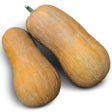
(Cucurbita moschata). A delicious and beautiful butternut squash, highly prolific with an orange rind. Used in savory soups, sweet desserts, side dishes, or cut into medallions and fried. Loaded with beta carotene.

Growing Tips: Butternut Orange is a robust winter squash variety known for its deep orange flesh and rich, sweet flavor. To cultivate it successfully, plant in full sun with well-drained, fertile soil enhanced with compost or organic matter. Consistent watering and mulching are essential for maintaining soil moisture and preventing weeds.

Plant Details

Botanical Name
Cucurbita moschata
Life Cycle
Annual
Growth Habit
Vining
Sun Requirement
6–8 hr.
Days to Germinate
5–10
Days to Maturity
110
Planting Depth
½–1 in.
Plant Spacing
18–36 in.
Ideal Temperature
70–95°F
Frost Hardy
No

Growing Guide

When to Grow

Plant Butternut Orange squash after the last frost when soil temperatures reach at least 65 F. In most regions, this is typically late spring to early summer. If you live in a cooler climate, you can start seeds indoors 2-4 weeks before the last frost date and transplant them outdoors when temperatures are stable. If you’re not sure how to find your first and last frost dates, consult our blog post 'Our Experts Answer Questions, Share Resources.'

How to Sow and Plant

Sow seeds 1/2-1 inch deep, spaced 24-36 inches apart, in rows about 6 feet apart. If using mounds or hills, plant 4-5 seeds per mound, then thin to the 2-3 strongest plants after germination. This variety has a vining habit, so ensure ample space or consider using a trellis if space is limited.

How to Grow

Maintain consistent moisture, especially during flowering and fruiting stages. Water deeply at the base of the plants to avoid wetting the foliage, which can reduce the risk of fungal diseases. Butternut Orange is a heavy feeder, so regular fertilization with a balanced fertilizer, transitioning to one higher in potassium and phosphorus during fruiting, will promote healthy growth and larger yields.

How to Save Seeds

  • There are four different species of squash: Cucurbita maxima, C. pepo, C. moschata, and C. mixta. They will not cross pollinate with each other, so it is possible to grow one of each species for seed saving without worrying about cross pollination.
  • If you are planning to grow several varieties of more than one species, you can bag the blossoms and hand pollinate to avoid crossing.
  • Whether it is a summer or winter squash, you must let the fruit completely mature before extracting the seeds, and cure for at least two weeks.
  • Scoop the seeds, place them in a bucket, and add just enough water to cover. Let sit at room temperature to ferment for two days before rinsing off the pulp.
  • Lay seeds out to dry on newspaper or paper plates.
  • Stored in a cool, dry place, seeds will remain viable for up to four years.

FAQ

Can Butternut Orange squash be grown in containers?

Yes, but use a large container (at least 18-24 inches deep and wide) and provide support for the vines.

When can I harvest Butternut Orange squash?

It typically takes around 110 days to mature, depending on growing conditions.

How do I know when Butternut Orange squash is ready to harvest?

The squash is ready when the orange rind has deepened and hardened, so a fingernail will not dent it, and the stem begins to dry and cork.

Browse our full range of winter squash seeds.
Customer reviews

4.1 / 5 14 Reviews

What gardeners are saying

  • Sweet, rich flavor: Candy-sweet, deep orange flesh; the best butternut for many.

  • Big fruit: Fruit grow large, bigger than store-bought or other butternuts.

  • Productive into fall: Keeps setting fruit late into the season, right up to frost.

  • Heads up: Slow starter and late to ripen; green fruit colors up in storage.

  • Stores well: Keeps for months in a cool basement or room.

More to grow!
See all Squash Seeds