Tomato Seeds,
Black Krim

3.968 ReviewsSKU: #TP102Min. seed count: 15
Price
Regular price $3.00
Regular price $0.00 Sale price $3.00
Save $-3
/
FREE SHIPPING IN THE U.S.A.
Faster shipping options also available.

Description

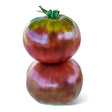
(Solanum lycopersicum). Dark red-purple fruit, rich sweet flavor. One of the best. It always places high in tomato taste trials. It’s very juicy. An heirloom from Crimean Peninsula with very unique looking, large fruit. The wonderful flavor is popular at many markets on the West Coast; also a favorite of many fine chefs.

Growing Tips: Black Krim tomatoes grow best in full sun, requiring at least 6-8 hours of direct sunlight daily. This variety prefers well-draining, nutrient-rich soil with a slightly acidic to neutral pH. Regular, deep watering encourages strong roots, but allow the topsoil to dry out slightly between waterings to prevent waterlogging. Staking or caging is essential, as these indeterminate plants can grow tall and need support to handle their heavy fruit load.

Plant Details

Botanical Name
Solanum lycopersicum
Life Cycle
Annual
Growth Habit
Indeterminate
Sun Requirement
6–8 hr.
Days to Germinate
7–14
Days to Maturity
80
Planting Depth
⅛ in.
Plant Spacing
24 in.
Ideal Temperature
75–95°F
Frost Hardy
No

When to Grow

Start seeds indoors 6-10 weeks before the last expected frost date. Once the danger of frost has passed, and temperatures consistently stay above 60 F, transplant seedlings outdoors. Black Krim tomatoes thrive in late spring and summer when the soil and air temperatures are warm. If you’re not sure how to find your first and last frost dates, consult our blog post 'Our Experts Answer Questions, Share Resources.'

How to Sow and Plant

Sow seeds about 1/8 inch deep in a sterile seed-starting mix. Keep the soil temperature between 70-80 F for quick germination, which typically takes 7-14 days. Transplant seedlings into larger pots once they develop their first true leaves, and harden them off for a week before planting outdoors. Space plants 24 inches apart in rows 3-4 feet apart, for good air circulation to reduce disease risks.

How to Grow

Prune lower leaves and suckers regularly to improve airflow and redirect energy to fruit production. Fertilize with a balanced fertilizer every 2-4 weeks, or apply a slow-release organic fertilizer at planting time. Watch for pests such as aphids and caterpillars, and manage them using organic solutions like neem oil or insecticidal soap. Avoid overhead watering to prevent fungal diseases like blight.

How to Save Seeds

  • Most tomatoes are self-pollinating and don't frequently cross; in a garden setting, separating by 25 feet should prevent 99% of cross-pollination. Or you can bag and hand pollinate for 100% purity.
  • On a small scale, seeds may be scooped from the fruits and dried on a paper towel.
  • For larger quantities or cleaner seeds, fermentation for a few days is recommended.
  • Once dry, tomato seed can be stored in a cool, dry, dark place; good seed retains viability for 5 years or more.

FAQ

How are Black Krim tomatoes different from other varieties?

They have beautiful maroon-purple skin, juicy texture, and rich, smoky flavor with a hint of saltiness. This thin-skinned heirloom is prone to splitting, so even, deep watering goes a long way toward keeping the fruit from cracking.

How large do Black Krim tomatoes grow?

These tomatoes typically weigh 8-12 ounces and have a slightly flattened, beefsteak shape.

Can I grow my Black Krim tomatoes in containers?

Yes, they can be grown in containers that are at least 5 gallons in size. Choose a container that has good drainage and provide sturdy support for the indeterminate vines.

Browse our full range of heirloom tomato seeds.
Customer reviews

3.9 / 5 68 Reviews

What gardeners are saying

  • Rich, smoky flavor: Deep, complex taste many call their best tomato.

  • Big plants, big fruit: Vines top 6 feet; large slicers up to a pound and a half.

  • Grown every year: Many keep a spot for it in the garden every season.

  • Heads up: Cracks after heavy rain; yields and ripening vary.

You may also like