Tomato Seeds,
Granny Cantrell German Red
Min. 15 seeds
FREE U.S. SHIPPING, 2-YEAR GUARANTEE
Description
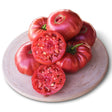
(Solanum lycopersicum). This meaty, beefsteak-type tomato is named for Lettie Cantrell, who received seeds from a soldier returning from Germany during World War II. She grew this tomato in the hills of eastern Kentucky for many years. It was her favorite tomato and the only one she grew. Each year she saved seeds from the largest tomatoes, some of which reached 2 1/2 pounds. Our growers find it to be quite productive.
Growing Tips: Choose a location that receives at least 6-8 hours of full sun daily. Use nutrient-rich, well-draining soil with a pH between 6.0 and 6.8. Water deeply once or twice a week, adjusting for rainfall to keep the soil evenly moist. Support this indeterminate variety with stakes or cages to manage its growth and large fruits.
Plant Details
- Botanical Name
- Solanum lycopersicum
- Life Cycle
- Annual
- Growth Habit
- Indeterminate
- Sun Requirement
- 6–8 hr.
- Days to Germinate
- 7–14
- Days to Maturity
- 85
- Planting Depth
- ⅛ in.
- Plant Spacing
- 24 in.
- Ideal Temperature
- 75–95°F
- Frost Hardy
- No
Growing Guide
When to Grow
How to Sow and Plant
How to Grow
How to Save Seeds
FAQ
Where does Granny Cantrell German Red come from?
It is named for Lettie Cantrell, who received the seeds from a soldier returning from Germany during World War II and grew it for many years in the hills of eastern Kentucky. It was her favorite tomato and the only one she grew.
How large do the fruits get, and will the plant hold them up?
This is a meaty beefsteak type; Granny saved seed each year from the largest fruits, some of which reached 2 1/2 pounds. The plant is indeterminate, so support it with stakes or cages to manage its growth and its large fruits.
How should I prepare the soil?
Tomatoes tolerate a wide range of soil conditions but do best in deep, rich soil in full sun. Amend the bed with plenty of compost, and keep soil moisture even with deep, regular watering and a good mulch, since swings between dry and wet are the usual cause of blossom-end rot on big beefsteaks like this one.