Tweedia Seeds,
Heavenly Blue

45 ReviewsSKU: #HB316Min. seed count: 20
Price
Regular price $4.00
Regular price $0.00 Sale price $4.00
Save $-4
/
Shipping calculated at checkout.

Description

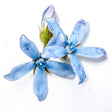
Wow! A true blue-flowered milkweed that makes an excellent cut flower and will attract a range of pollinators! Tweedia is native to South America, where it grows as a scrambling vine. As an annual it will average about 2 feet tall. Perennial zones 10-11, frost-tender annual in cooler zones. Easy to grow & fast blooming.

Growing Tips: Plants reach 1-3 feet in height, good for container or landscaping. Prefers well-drained soil. Heat-and sun-loving plant, keep well watered. (CAUTION: The milky sap is poisonous if ingested in large quantities, and contact with the skin may cause dermatitis in sensitive individuals.)

Plant Details

Botanical Name
Oxypetalum coeruleum
Growth Habit
Vining
Sun Requirement
8–12 hr.
Days to Germinate
14–21
Days to Maturity
90–110
Planting Depth
⅛ in.
Plant Spacing
6–12 in. for annual spacing; 2–3 ft. for vigorous perennial spacing
Ideal Temperature
70°F
Frost Hardy
No

When to Grow

Tweedia is not frost hardy; plant outdoors in spring, after all chance of frost has passed. The seed wants only the barest cover, so press it onto the soil surface or sift no more than 1/8 inch of fine soil over it, and look for sprouts in 14-21 days. This is a heat lover that does best around 70°F, and it needs 90-110 days to maturity. Space plants 6-12 inches apart when growing them as annuals, or 2-3 feet apart for the vigorous perennial growth it makes in zones 10-11. Everywhere colder than that, grow it as a frost-tender annual.

How to Sow and Plant

Seeds germinate in 14-21 days.

Milkweed seed requires stratification, aka cold treatment, in order to germinate, Baker Creek milkweed seed comes pre-stratified, however, it is best to store your milkweed seed packs in the fridge or a cold location before planting. If you are using this growing guide to germinate hand-harvested seeds from milkweed pods, please follow the stratification steps below.

  • Direct sow outdoors as soon as soil can be worked or early spring, alternatively, you can start seeds in trays indoors, 6-8 weeks before last frost date.
  • Sow seeds 1/4 inch deep.
  • Ideal germination temperature is 65-75 F.
  • Be aware that milkweed seeds sprout a long taproot, and if they become potbound, the plants will suffer, so be sure to carefully transplant seedlings to larger pots to give the root systems space to grow. Carefully transplant out after all chance of frost has passed.

Stratification instructions for your own saved seed:

  • Milkweed seeds require a cold period in order to germinate. You can direct sow your seeds in the fall or winter. The cold winter exposure will break the seeds' dormancy and they will easily germinate in spring. Alternatively, you can mimic winter's chill in your own home.
  • Spread seeds on a moist (but not soaking wet) paper towel, then fold it in half and then half again.
  • Place the quartered paper towel into a zip-top plastic bag and press to seal. You want the seeds to stay moist, so the bag must be sealed.
  • Store in your fridge for 30-60 days. (30 days is sufficient for A. incarnata, A. tuberosa and A. speciosa.) Remove from fridge about 6 weeks before last frost and start indoors following the above guide.

How to Grow

  • Prefers full sun.
  • Provide well-drained soil. Swamp milkweed prefers moderately moist soil and can tolerate wet feet or grow in dry land.
  • Plant spacing will vary depending on species of milkweed. Ascepias incarnata reaches 3-6 feet tall and can be spaced 2-3 feet apart. Asclepias speciosa reaches 3-6 feet in height and can be spaced 2-3 feet apart. Asclepias tuberosa reaches 1.5-2 feet in height and can be spaced 1-1.5 feet apart.
  • Plants are fairly water-thrifty, especially after becoming established.
  • Perennial plants may not bloom in first year from planting, however in the first year, non-blooming plants can still host monarch caterpillars and be useful to the monarch population even before blooming.

PESTS/SPECIAL CONSIDERATIONS

  • A fairly pest-free plant.
  • Please never spray milkweed with pesticides, as this plant is very attractive to a number of useful insects!

How to Save Seeds

Saving sunflower seeds is very easy!

  • Milkweed pods will be ready for harvest when they can be easily split with a light squeeze of the hand.
  • Seeds are mature when they are dark brown in color.
  • Gently squeeze pods to open and separate seeds from silks.
  • Once seeds have been separated, dry them for about a day in a warm, dry location.
  • Store seeds in a cool, dry place; ideally in a sealed bag in the fridge.
  • Don't forget that saved seeds will need stratification in order to sprout. You can achieve this by fall/winter sowing seeds or following the stratification guidelines in the seed starting/germination section of this growing guide.

FAQ

Is Tweedia a perennial or an annual?

It is a perennial in zones 10-11 and a frost-tender annual in cooler zones. Grown as an annual it averages about 2 feet tall, and plants generally reach 1-3 feet, which makes them a good size for containers or landscaping.

Are the flowers really true blue?

Yes. Heavenly Blue is a true blue-flowered milkweed that makes an excellent cut flower and will attract a range of pollinators. It is native to South America, where it grows as a scrambling vine, and its growth habit is vining.

What conditions does Tweedia need?

Give it 8 to 12 hours of full sun and well-drained soil. This is a heat- and sun-loving plant, so keep it well watered. Note that the milky sap is poisonous if ingested in large quantities, and contact with the skin may cause dermatitis in sensitive individuals.

FREE SHIPPING IN THE U.S.A.
Alternate domestic shipping options available at checkout.
You may also like