


For many gardeners, especially those in colder, short-season climates, December is the time to start the seeds of long-season, slow-growing crops. Here are three crops to start sooner rather than later for a flavorful kitchen garden next season.
Onions
It might be tempting to buy onion sets rather than start them from seed but growing them yourself usually means a greater selection of options --not to mention a greater sense of satisfaction.
It is important to choose the right type of onion for your growing conditions. In the northern and Midwest U.S., long-day onions do best because they need the long days of summer to develop bulbs, and they benefit from an early start. As a rule of thumb, northern growers should count on at least 10 to 12 weeks of indoor growing before planting their onion starts outdoors. Onions are a hardy crop; gardeners in warmer climates can start onion seeds directly in late fall / early winter for an overwintered spring crop or in early spring as soon as the soil can be worked.
Onions like rich, well-draining soil and consistent watering, but their big thing is light! Onions won’t form bulbs unless they get enough hours of daylight, and different varieties have different needs. Grow lights are a must for starting onion seeds indoors.
Long-Day types (requiring 14 to 16 daylight hours)
Ailsa Craig was introduced in 1887 by David Murray, the gardener for the Marquis of Ailsa at Culzean Castle in Scotland. This mild, sweet onion can grow very large --- five pounds isn’t uncommon! This one doesn’t store well, so grow it for fresh use.
Yellow of Parma, also known as Dorata di Parma, is an intensely flavored, golden-skinned variety dating to the Lombardy region of Italy in the 19th century. It frequently grows to a pound of more each, and it is an excellent keeper.
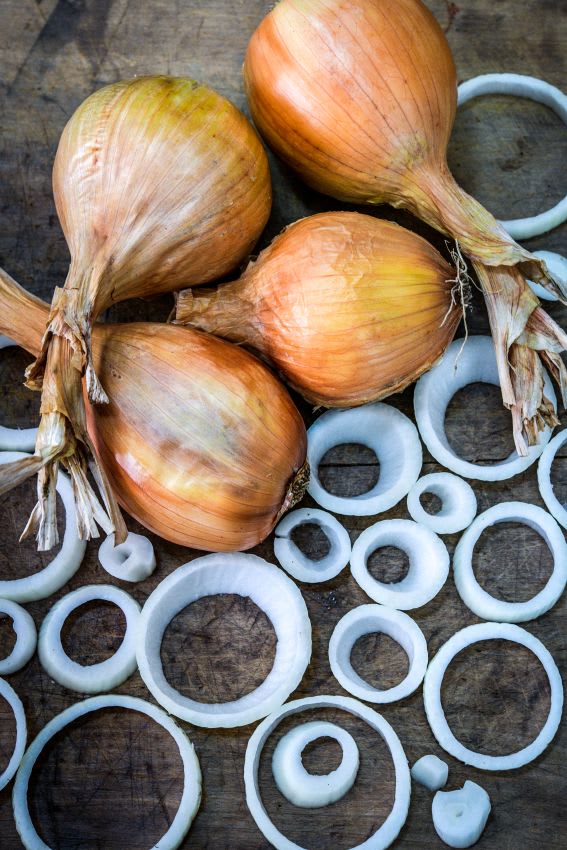
Intermediate or daylength-neutral types (requiring 12 to 14 daylight hours for proper bulb development):
Northern growers may also get good results from intermediate (or daylength neutral) varieties such as Australian Brown onion. Red of Florence is also a good bet, and it is one of our favorite onions here at Baker Creek.
Short-day onions (requiring 10 to 12 daylight hours):
With very firm flesh and a pungent flavor, White Creole onion packs a lot of onion punch for its size! It also stores well and can be enjoyed fresh or cooked.
Leeks
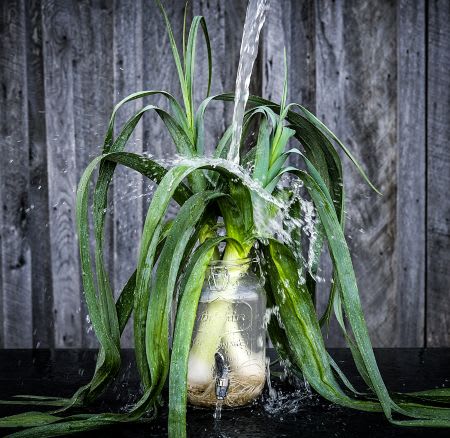
Like their allium relatives, the onions, leeks have a long growing season, so a head start is essential. Spring-planted leeks should be started indoors 8 to 10 weeks before your average last frost date. In warmer climates, they can grow through the winter. Leeks started indoors are ready for transplanting when they are 8 to 10 inches tall and about the circumference of a pencil. (You’ll want to acclimate them to the outdoors before transplanting.)
Also, like onions, leeks love light and will want 12 to 16 hours of it as they are growing up indoors. Sow the seeds ¼ inch deep in good-quality seed starting mix and bottom water them.
Carentan leek is a vigorous European heirloom with a mild flavor and thick shank. Autumn Giant leek is known to be bolt resistant and reliable, as well as incredibly flavorful and versatile.
Celery and Celeriac
Celery and its close relative celeriac, or celery root, are notoriously slow to germinate, often taking three weeks to emerge. And because they are long-season crops, they need an early start – eight to 12 weeks before the average last frost in your region.
The tiny seeds may benefit from an overnight soak in water. Surface sow into rich, well-draining and slightly acidic (pH of 6.0 to 7.0) seed starting mix, then lightly press the seeds into the soil, as they need light to germinate.
Celery and celeriac seeds like it warm, but not too warm – 70 to 75 F is ideal. (Once they’ve sprouted, you can dial back the heat to 60 to 70 F.) Celery likes moisture from sprout to harvest, and your seeds may benefit from being sown into pre-moistened soil. Many gardeners also report success with using humidity domes over their celery and celeriac seeds. Bottom watering or misting helps the seeds stay atop the soil, where the light can find them.
Once the seeds are up, they will also need lots of light – about 16 hours per day. Grow lights are extremely beneficial.
Depending on the container you use, celery and celeriac starts may need to be transplanted into something larger once two sets of true leaves have appeared.
And remember – celery and celeriac take a long time to mature – up to four months, though you can harvest the outer stalks in a cut-and-come-again style.

A few of our favorite celery and celeriac varieties:
Amsterdam celery is a wonderful Asian-type celery hailing from the Netherlands. Also known as Chinese Celery or Nan Ling, this variety tends to have larger leaves and smaller, fibrous stalks, and is ideal as a seasoning celery for broth, soups, and stock. It is a fantastic choice for cut-and-come-again harvesting.
We love Chinese Pink celery for its bright color and easy-growing nature, not to mention its strong, herbal flavor and crunch. As a bonus, it is easier to grow than many other kinds of celery, making it a celery entry point for beginning gardeners.
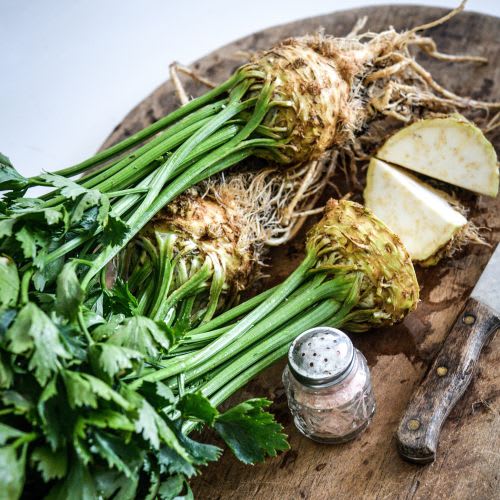
Grown for its roots rather than its stalks, Giant Prague celeriac has been a European favorite since its introduction in 1871. Celeriac may not be the most beautiful vegetable in the patch but look past its homeliness to discover the beauty within. Use this humble root raw or roasted or in mashes, soups, and purees. You may never reach for the potatoes again!
For more information, see our growing guide for celery and celeriac. Here’s to a great start to the gardening season!
Key Takeaways
- Starting slow-growing crops early is key to success.
- Choose onion varieties based on your geography; long-day onions do better in northern regions where summers have more hours of light.
- Celery and celeriac are slow to germinate and grow; surface sow them, as they need light to germinate.
About the Author
Michelle Johnson wears many hats at Baker Creek, including writer, editor, researcher, and aspiring seed historian.


