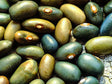
Bean Seeds,
Malawi Green
Regular price
$5.00
Regular price
$0.00
Sale price
$5.00
Save $-5
/
Description
The Malawi Malachite Green beans were brought to Malawi
by German colonizers in the 1800s who grew them as the
Malachite Bean. They have a beautiful iridescent green shimmer
like malachite. The seeds are brought to us by William
Woys Weaver, an internationally known food historian, author,
and heirloom gardener living in Devon, Pennsylvania. His
Roughwood Seed Collection began informally in 1932 by
his grandfather H. Ralph Weaver (1896-1956). When William
discovered this seed collection in a freezer many years later, he
decided to grow out the rare and unusual plants his grandfather
had accumulated. While our original seed came from
Malawi (Africa), we later discovered that this highly productive
bean was developed at the former Royal Agricultural Academy
in Hohenheim, Germany. It was later exported to Africa while
the German Empire maintained colonies there prior to World
War I. Dating to the 1850s, this unusual bean was known commercially
in Europe as the Malachite Bean due to its unique
blue-green color similar to the mineral of the same name. The
4-inch pods on 6-foot vines ripen brownish-yellow with 5 to 6
beans per pod. Try this bean for an unusual green bean soup!
Terrific flavor. A portion of each sale will go to support the
work of Dr. William Woys Weaver.
When to Grow
How to Sow and Plant
How to Grow
How to Save Seeds
FAQ
Why is Malawi Malachite Green also called the Malachite Bean?
The beans have a beautiful iridescent green shimmer like malachite, and from the 1850s they were known commercially in Europe as the Malachite Bean because of that blue-green color, similar to the mineral of the same name.
Does it need a trellis?
Yes. The 4-inch pods are carried on 6-foot vines, so this is a pole bean and will need support — grow it up a fence or construct a trellis, and thin the plants to 6 inches apart.
What do the pods look like at harvest, and how should I cook them?
Pick the 4-inch pods young, slender, and green for fresh use - terrific flavor, and worth trying in an unusual green bean soup. Left on the vine the pods ripen brownish-yellow and dry down, with 5 to 6 beans per pod for shelling or seed saving.
FREE SHIPPING IN THE U.S.A.
Alternate domestic shipping options available at checkout.
Alternate domestic shipping options available at checkout.