Cucumber Seeds,
Sikkim
Description
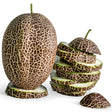
(Cucumis sativus). The historic cucumber of Sikkim. Fat, large fruit can reach several pounds in size. The ripe fruit is a unique rusty red color and is good eaten cooked or raw. In Asia, cucumbers are often stir fried and are quite tasty. This variety is commonly grown in the Himalayas of Sikkim and Nepal. Botanist Sir Joseph Hooker first discovered it in the eastern Himalayas in 1848. He wrote of the cuke: “So abundant were the fruits, that for days together I saw gnawed fruits lying by the natives’ paths by the thousands, and every man, woman and child seemed engaged throughout the day in devouring them.”
Growing Tips: Sikkim cucumbers grow into large, russeted fruits with firm, mildly sweet flesh. This vigorous vining heirloom thrives in warm climates with plenty of sun and well-drained soil. Trellising improves fruit shape and garden airflow. Fruits are best harvested young for fresh eating, but can also be enjoyed mature, cooked, or pickled. Regular feeding and moisture encourage maximum yields. Some afternoon shade is beneficial in the hottest summer weather.
Plant Details
- Botanical Name
- Cucumis sativus
- Life Cycle
- Annual
- Growth Habit
- Vining
- Sun Requirement
- Full sun
- Days to Germinate
- 5–14
- Days to Maturity
- 70–80
- Planting Depth
- ½ in.
- Plant Spacing
- 18–24 in.
- Ideal Temperature
- 70–90°F
- Frost Hardy
- No
When to Grow
How to Sow and Plant
How to Grow
How to Save Seeds
FAQ
Are Sikkim cucumbers edible when mature and russeted?
Yes, mature Sikkim cucumbers have a thick, russeted skin and mildly sweet flesh that can be eaten raw, cooked in curries, or pickled. Young fruits are crisper for fresh use.
Do Sikkim cucumbers need a long growing season?
Yes, they require 70–80 days to mature and perform best in areas with a full summer season. Starting seeds indoors can help extend production in shorter climates.
Can I grow Sikkim cucumbers in containers?
While it is possible to grow in extra-large containers, Sikkim cucumbers perform best in-ground due to their vigorous vines and fruit size. Use a trellis and ensure rich soil and full sun for best results.
Browse our full range of cucumber seeds.
Alternate domestic shipping options available at checkout.