Milkweed Seeds,
Butterfly Weed
Description
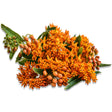
This hardy native milkweed is essential to the survival of monarch butterflies. Mature butterflies feed on the nectar produced in the flowers, while the foliage provides food for their larvae. The brilliant orange and yellow flowers are showy in massed plantings and fascinating up close, with their intricate detail. The three-foot plant is native throughout the eastern and southern regions of the country, usually preferring drier sites, and should be hardy except at very high elevations. Very durable and long-lived once established, it may gently increase on its own in favorable locations. CAUTION: The milky sap is poisonous if ingested in large quantities, and contact with the skin may cause dermatitis in sensitive individuals.
Growing Tips: Can be started indoors 6-8 weeks ahead of last frost, or direct sown outdoors. ATTENTION: The milky sap is poisonous if ingested in large quantities; contact with the skin may cause dermatitis in sensitive individuals.
Plant Details
- Botanical Name
- Asclepias tuberosa
- Life Cycle
- Perennial
- Sun Requirement
- 6–12 hr.
- Days to Germinate
- 14–21
- Days to Maturity
- 120
- Planting Depth
- ¼–½ in.
- Plant Spacing
- 12–24 in.
- Ideal Temperature
- 65–70°F
- Frost Hardy
- Yes
When to Grow
How to Sow and Plant
How to Grow
How to Save Seeds
FAQ
Will Butterfly Weed bloom its first year from seed?
Perennial milkweeds may not bloom in the first year from planting. Those first-year plants are still worth growing, since even without flowers they can host monarch caterpillars and be useful to the monarch population. Once established, Butterfly Weed is very durable and long-lived, and it may gently increase on its own in favorable locations.
What kind of site suits Asclepias tuberosa?
Full sun and well-drained soil. The species is native throughout the eastern and southern regions of the country and usually prefers drier sites; it should be hardy except at very high elevations. Space plants 12-24 inches apart.
Does Butterfly Weed have pest problems?
It is a fairly pest-free plant. Please never spray milkweed with pesticides, as it is very attractive to a number of useful insects. Do note that the milky sap is poisonous if ingested in large quantities, and contact with the skin may cause dermatitis in sensitive individuals.
Alternate domestic shipping options available at checkout.