Summer Squash Seeds,
Zucchini Nimba

3.89 ReviewsSKU: #SSQ117Min. seed count: 20
Price
Regular price $3.00
Regular price $0.00 Sale price $3.00
Save $-3
/
FREE SHIPPING IN THE U.S.A.
Faster shipping options also available.

Description

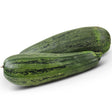
(Cucurbita pepo). This early and hardy zucchini comes from Poland; nice medium green color. Great for cool, short-season areas and anyone who wants early squash. Tasty fried. Great yields.

Growing Tips: Nimba zucchini is a high-yielding, early-maturing variety from Eastern Europe, celebrated for its straight, glossy green fruits and compact, bush-type growth. It thrives in full sun and fertile, well-drained soil. Nimba produces tender, flavorful zucchini best harvested at 6–8 inches. This dependable producer is well-suited to both backyard gardens and market growers due to its uniform fruit and extended productivity.

Plant Details

Botanical Name
Cucurbita pepo
Life Cycle
Annual
Growth Habit
Bush
Sun Requirement
Full sun
Days to Germinate
5–10
Days to Maturity
50–60
Planting Depth
1 in.
Plant Spacing
24–36 in.
Ideal Temperature
70–95°F
Frost Hardy
No

When to Grow

Sow Nimba zucchini seeds directly into the garden after the last frost date, once soil temperatures reach about 65 F. In cool climates, start seeds indoors 2 to 4 weeks early and transplant after danger of frost has passed. If you're not sure how to find your first and last frost dates, consult our blog post 'Our Experts Answer Questions, Share Resources.'

How to Sow and Plant

Plant seeds 1 inch deep in fertile, well-draining soil in a sunny location. Space plants 24 to 36 inches apart in rows or mounds to allow good airflow. For an earlier start, use biodegradable pots indoors and transplant once seedlings have 2–3 true leaves. Keep soil evenly moist during germination and early growth.

How to Grow

Water consistently at the base of the plant to avoid fungal issues. Mulch to conserve moisture and suppress weeds. Feed with compost or a balanced organic fertilizer every 3–4 weeks. Harvest fruits frequently when they are 6–8 inches long to promote continuous production and maintain peak flavor and texture. Watch for pests and treat with organic controls if needed.

How to Save Seeds

Note that there are four different species of squash: Cucurbita maxima, C. pepo, C. moschata, and C. mixta. They will not cross pollinate with each other, so it is possible to grow one of each species for seed saving without worrying about cross pollination. If you are planning to save seeds from several varieties of the same species, you can bag the blossoms and hand pollinate to avoid crossing.

  • Allow fruits to mature fully on the vine until the skin is hard and color deepens.
  • Harvest mature squash and cure in a warm, dry space for 2–3 weeks.
  • Cut open the fruit and scoop out seeds.
  • Rinse seeds to remove all pulp and residue.
  • Spread seeds out in a single layer to dry in a well-ventilated area for 2–3 weeks.
  • Store dried seeds in a labeled, airtight container in a cool, dry place.

FAQ

What makes Nimba zucchini different from other varieties?

Nimba zucchini is known for its uniform, straight fruits, early maturity, and excellent productivity. Its bush-type growth and extended productivity make it ideal for home gardeners and market growers.

Can Nimba zucchini be grown in a container?

Yes, Nimba’s compact habit allows it to grow well in containers that hold at least 5 gallons of soil. Use high-quality potting mix, and ensure full sun and regular watering.

When is the best time to harvest Nimba zucchini?

Harvest Nimba fruits when they are 6–8 inches long, while still tender and glossy. Picking at this stage encourages the plant to continue producing high-quality fruits throughout the season.

Browse our full range of summer squash seeds.
Customer reviews

3.8 / 5 9 Reviews

What gardeners are saying

  • Good eating: Tasty picked small or forearm size, fresh, in sauce or baked.

  • Easy to grow: Germinates quickly and the large plants need little care.

  • Likes cool weather: Sprouts in cool spring soil and keeps producing into fall.

  • Heads up: Yields vary; some plants gave only a few fruits all season.

You may also like