


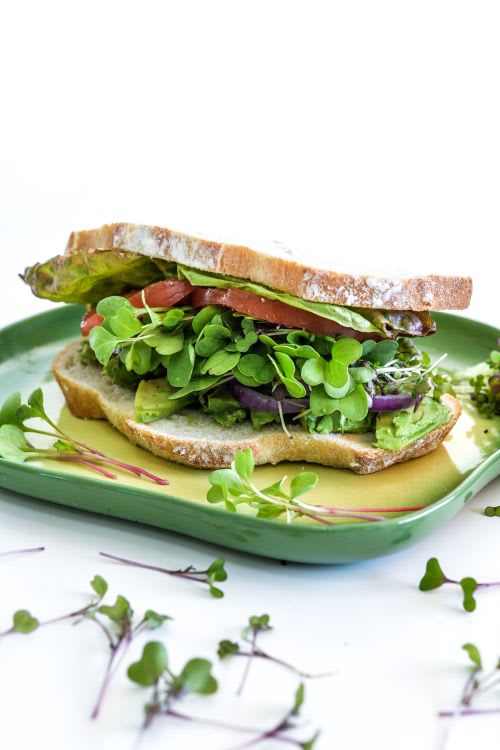
Heirloom microgreens bring big flavor, vibrant color, and super nutrition to your plate. In just one to three weeks, you can grow a mix of colorful and super tasty microgreens that are just plain fun to eat!
Here are our top seed picks for microgreens!
Our Favorite Varieties for Microgreens
Please note that Baker Creek seeds are packed for home garden use, not specifically for microgreens. We recommend that you grow these varieties and save the seeds for growing microgreens.
Bull’s Blood beet (12-18 Days to Harvest (DTH)): Toss these gorgeous, glowing burgundy leaves and stems into any microgreen mix for a burst of beauty and earthy, sweet flavor. Sturdy leaves and a good shelf life after harvest also make it a winner.
Russian Red (aka “Ragged Jack”) kale (8-12 DTH): Russian Red is a winner for its earthy, mild flavor and eye-catching, light purple stems and veins. Great for beginners because it’s quick and easy to grow.
Japanese Giant Red mustard (7-10 DTH): Big, bold flavor with a bit of heat that will kickstart the flavor of any mix, and the purple-hued leaves light up any microgreen mix. This one is a staff favorite!
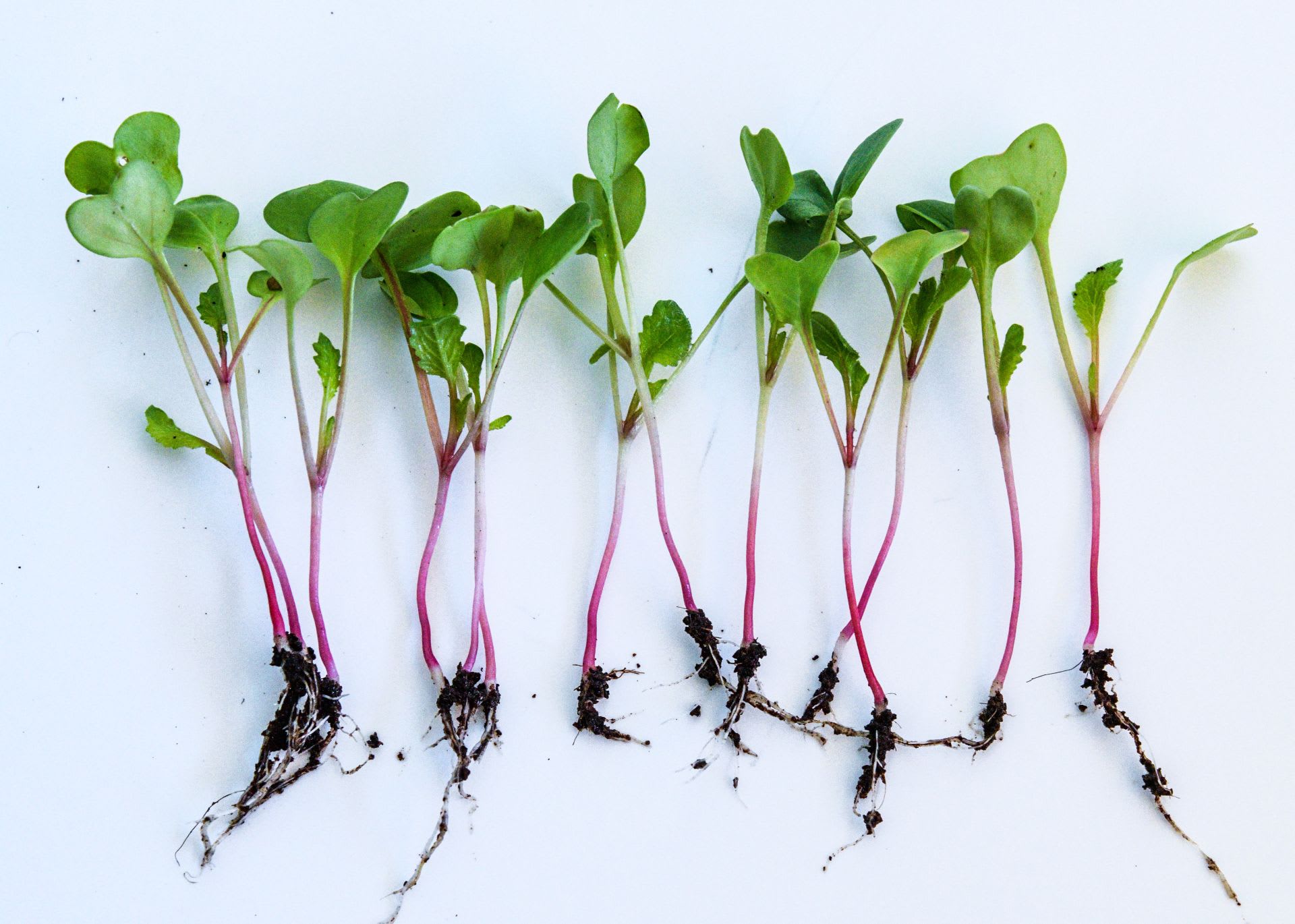
China Rose radish (5-7 DTH): This fall- and winter-hardy radish variety yields peppery-sweet microgreens and crunchy stems with a lovely blush of rose. Super-fast and highly productive in cool rooms.
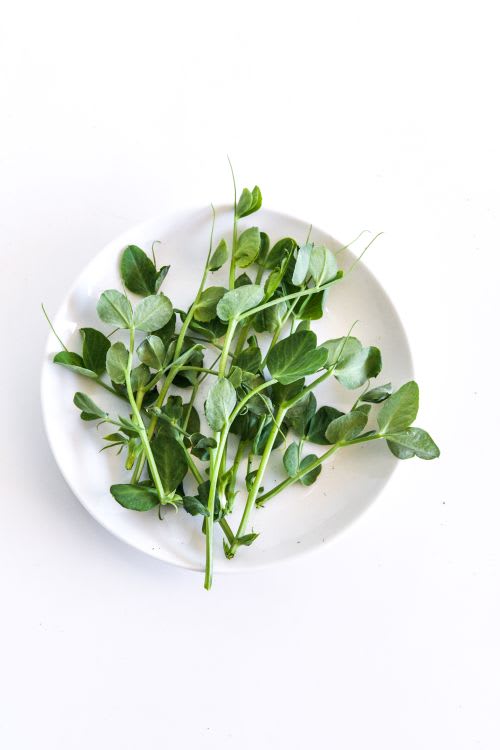
Sugar Snap peas (12-14 DTH): Sugar Snap is the quintessential spring pea variety, with sweet flavor and edible pods. These microgreens also have an earthy sweetness that brings delicate flavor and class to any dish. Pre-soak seeds 8-12 hours before planting.
Beetroot Vlathankara amaranth (8-14 DTH): Grow jazzy, vibrant red microgreens for an eye-catching addition to the mix! Amaranth much prefers warmer temps at 70F or above. Note that it can be fussy to grow.
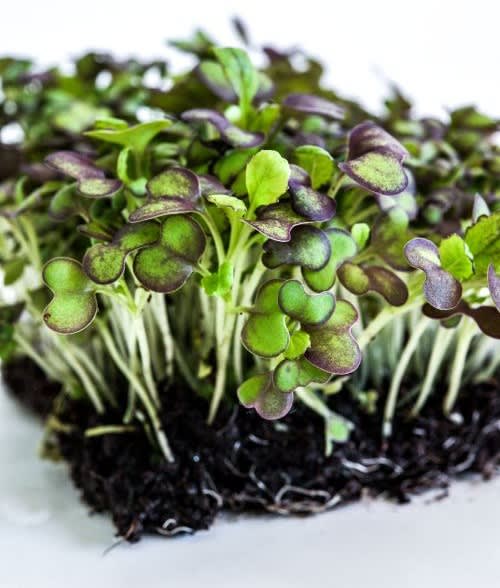
Tete Noire cabbage (10-14 DTH): Fetching pink- and purple-tinged greens with vibrant, sturdy stems stand out and deliver delicate cabbage flavor.
Genovese basil (14-21 DTH): What is not to love about the flavor of Genovese basil in a diminutive package? Sweet flavor with notes of anise and mint, perfect for adding a hint of herbal goodness to any mix.
Mammoth Grey Striped sunflower (10-14 DTH): These lend a nice crunch and nutty, earthy flavor reminiscent of sunflower seeds. For best results, soak seeds12 to 24 hours before planting.
Five-Color Silverbeet Swiss chard (8-12 DTH): A truly delightful color mix of tasty microgreens with a mild beet flavor. Slower to grow but totally worth the wait.
Red Dragon arugula (5-10 DTH): Quick to harvest, easy to grow! Red Dragon arugula microgreens have a spicy, peppery zip.
Chinese chives (14-21 DTH): Unlike other chives, Chinese chives impart a mildly garlicky flavor. Lovely!
How to Build a Winning Microgreen Mix
Blend by speed: Pair quick wins (radish, arugula) with mid-speed color (amaranth, cabbage) and a high-value aromatic (basil or other herb). Stagger sowings 3 to 4 days apart for a steady harvest window.
Aim for contrast: Mix one deep red (beet, amaranth) plus one purple stem (red cabbage, Red Russian kale) plus one bright green (pea or other green).
Balance flavor: Use spicy brassicas at 25 to 40% of the blend so heat doesn’t overpower sweeter types (pea, sunflower, chard).
Mind tray density: Sow tiny seeds such as amaranth and basil more densely. Large seeds such as peas or sunflowers need space to avoid mold.
How to Grow Heirloom Microgreens
While some varieties and types prefer one type of growing medium over another, most do well in a fine moist growing medium of coco coir or soil.
Prep the trays or containers, leveling the growing medium and gently pressing it into the container so that it’s firm but not too dense.
Many seeds prefer a ‘blackout’ time when they are protected from light. Beet and brassicas, such as cabbage, prefer 48-72 hours of blackout.
Mind the light and airflow. Uncover the sprouts at the cotyledon (emergence of the seed leaf) state. Provide bright light, using a grow light if necessary.
Water from the bottom and keep the leaves dry.
Harvest when the cotyledons are open and first true leave just emerge. You can also harvest earlier for a milder flavor.
Treat the harvest tenderly. Rinse only if needed and spin or pat dry. Refrigerate the dry microgreens for maximum shelf life.
Troubleshooting common issues:
Spotty germination? Check the age of the seed by looking at the seed packet. Sow smaller seeds more densely. Ensure tight seed-to-soil contact.
Leggy, pale seedlings? Try increasing the intensity of light or reduce the seeds’ blackout time.
Stem rot (Damping-off)? Improve air flow. Water from the bottom. Sanitize trays or growing containers and avoid crowding large seeds such as sunflowers.
Our friend Wendi Phan of Gardens of Wendiland shared her step-by-step video guide to growing microgreens to show just how easy and space efficient it can be.
Your browser does not support HTML5 video.
Your browser does not support HTML5 video.
While some varieties and types prefer one type of growing medium over another, most do well in a fine moist growing medium of coco coir or soil.
Prep the trays or containers, leveling the growing medium and gently pressing it into the container so that it’s firm but not too dense.
Many seeds prefer a ‘blackout’ time when they are protected from light. Beet and brassicas, such as cabbage, prefer 48-72 hours of blackout.
Mind the light and airflow. Uncover the sprouts at the cotyledon (emergence of the seed leaf) state. Provide bright light, using a grow light if necessary.
Water from the bottom and keep the leaves dry.
Harvest when the cotyledons are open and first true leave just emerge. You can also harvest earlier for a milder flavor.
Treat the harvest tenderly. Rinse only if needed and spin or pat dry. Refrigerate the dry microgreens for maximum shelf life.
Troubleshooting common issues:
Spotty germination? Check the age of the seed by looking at the seed packet. Sow smaller seeds more densely. Ensure tight seed-to-soil contact.
Leggy, pale seedlings? Try increasing the intensity of light or reduce the seeds’ blackout time.
Stem rot (Damping-off)? Improve air flow. Water from the bottom. Sanitize trays or growing containers and avoid crowding large seeds such as sunflowers.
Key Takeaways
- Heirloom varieties such as Bull’s Blood beet, Russian Red kale, Japanese Giant Red mustard, and China Rose radish are great varieties to begin growing microgreens.
- Microgreens deliver quick harvests, vibrant color, complex flavors, and concentrated nutrition density.
- No matter how much – or how little – your gardening space, you can grow and enjoy microgreens year-round!
About the Author
Michelle Johnson is a nationally award-winning writer and editor with decades of experience in broadcast, print, and digital journalism. She is also Baker Creek's resident seed historian, researching the stories of seeds and the people who have stewarded them.


